Portable Real-Time Wireless Voice Translator: Travel Setup
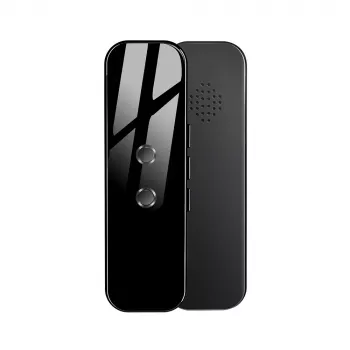
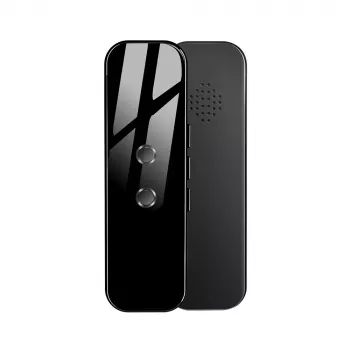
A pocket-friendly wireless voice translator helps turn quick questions, directions, and everyday conversations into understandable speech in seconds. This guide covers what it does well, where it fits best, how to set it up for travel or work, and what to check before buying so expectations match real-world use. For more guidance, see 142 Languages AI Translator With 2000mA Battery, Two- ….
What a portable wireless voice translator is designed to do
A portable wireless voice translator is built for fast, face-to-face communication when two people don’t share a language. You speak a short phrase, the device processes it, then plays the translated audio back through its speaker—helping both sides keep the interaction moving without pulling out a phone and typing. For further reading, see Scanning Pen With 142 Online Languages, 9 Offline ….
These devices shine in multilingual, everyday situations like hotel check-ins, taxi rides, restaurants, small retail purchases, and basic customer interactions. They typically include a microphone and speaker, plus wireless connectivity that supports translation features and updates.
For best results, treat it like a conversation helper rather than a full substitute for a fluent speaker. Short, clear sentences and common vocabulary usually translate more reliably than long explanations, technical topics, or fast back-and-forth dialogue. Even then, a good translator can reduce misunderstandings when body language and gestures aren’t enough.
Key features that matter day to day
Language coverage (and what “130 languages” really means)
Broad coverage is helpful, but it’s not the whole story. Accent handling and regional dialects can vary, and some language pairs may perform better than others. If you frequently travel, confirm the exact languages you’ll use most—and test the pairs you care about before relying on them in public.
Speed and conversational flow
Processing time affects how natural the interaction feels. A short pause is normal while the device processes speech (and in many setups, while it connects). Faster response helps reduce awkward silences in lines, lobbies, and street-side conversations.
Audio clarity in real-world noise
Busy streets, markets, and transit stations can overwhelm a weak microphone or a quiet speaker. Clear pickup and loud playback improve accuracy and reduce the need to repeat yourself. If you expect frequent outdoor use, prioritize audio performance.
Wireless convenience and portability
Quick pairing and minimal fuss matter when you’re holding bags, watching your surroundings, or trying to catch a train. Lightweight designs are easier to carry and easier to pull out for short interactions. If the device includes Bluetooth, its behavior is generally shaped by standard profiles and compatibility expectations (see the Bluetooth Core Specification).
Simple controls and readable feedback
Travel moments rarely feel calm. Clear prompts, easy mode switching, and straightforward controls reduce mistakes—especially when you’re trying to switch languages quickly or repeat a translation for confirmation.
Best-use scenarios (and where it may fall short)
Where it helps most
Portable voice translators are ideal for travel basics: asking for directions, ordering food, confirming prices, handling simple hotel questions, and resolving small issues like “Where is the nearest station?” or “Do you accept card?” They can also support workplace needs such as quick customer-service exchanges, scheduling, or on-site clarifications.
They can even reinforce language learning by letting you hear phrasing and pronunciation repeatedly—useful for frequent travelers who want to build confidence over time.
Where expectations should be lower
Noisy environments can reduce accuracy. Stepping a few feet away from traffic, turning your body away from crowd noise, and speaking closer to the microphone usually improves results. Multi-speaker conversations—especially overlapping voices—can also cause lag or misheard phrases.
How to set it up fast for a trip
Performance checklist before relying on it in public
At-a-glance specs and buying checkpoints
| Checkpoint | What to verify | Why it matters |
|---|---|---|
| Supported languages | Your exact languages and common pairs | Avoid surprises when a needed language or pair isn’t available |
| Translation speed | Typical delay in a normal setting | Keeps conversations flowing without awkward pauses |
| Mic/speaker clarity | Can it hear clearly and play loudly? | Improves accuracy and usability in noisy places |
| Connectivity needs | Whether setup requires a phone/app and how it connects | Determines how portable and reliable it feels day to day |
| Battery and charging | Runtime and charging method | Prevents mid-day shutdowns during tours or transfers |
| Ease of use | Simple mode switching and clear feedback | Reduces mistakes when under time pressure |
Recommended in-stock picks for travel and daily carry
If instant conversation help is the priority, start with a dedicated translator built for quick interactions: Portable Real-Time 130 Language Wireless Voice Translator. For travelers who also want to streamline what they pack and wear day to day, these in-stock options can round out a trip kit: Women’s Buckle Strap Genuine Leather Sandals with Mid Heel and Cozy Fleece Hooded Pet Jacket for Small Dogs & Cats.
Care, privacy, and responsible use
FAQ
Does a portable real-time voice translator work without internet?
Many real-time translators rely on an internet connection for their best performance. Some models may offer limited offline options, but language coverage and accuracy can change when offline.
How accurate are real-time translators for everyday travel?
They’re generally reliable for common phrases, simple questions, and routine travel interactions. Accuracy often drops with slang, heavy background noise, complex grammar, and specialized terminology.
What’s the best way to speak for the most reliable translation?
Use short sentences, speak clearly at a natural pace, and avoid idioms or jokes that don’t translate well. Keep one speaker at a time, repeat numbers/addresses, and step into a quieter spot when possible.







Leave a comment