Self-Emptying Robot Vacuum: 3000Pa Power + App Control
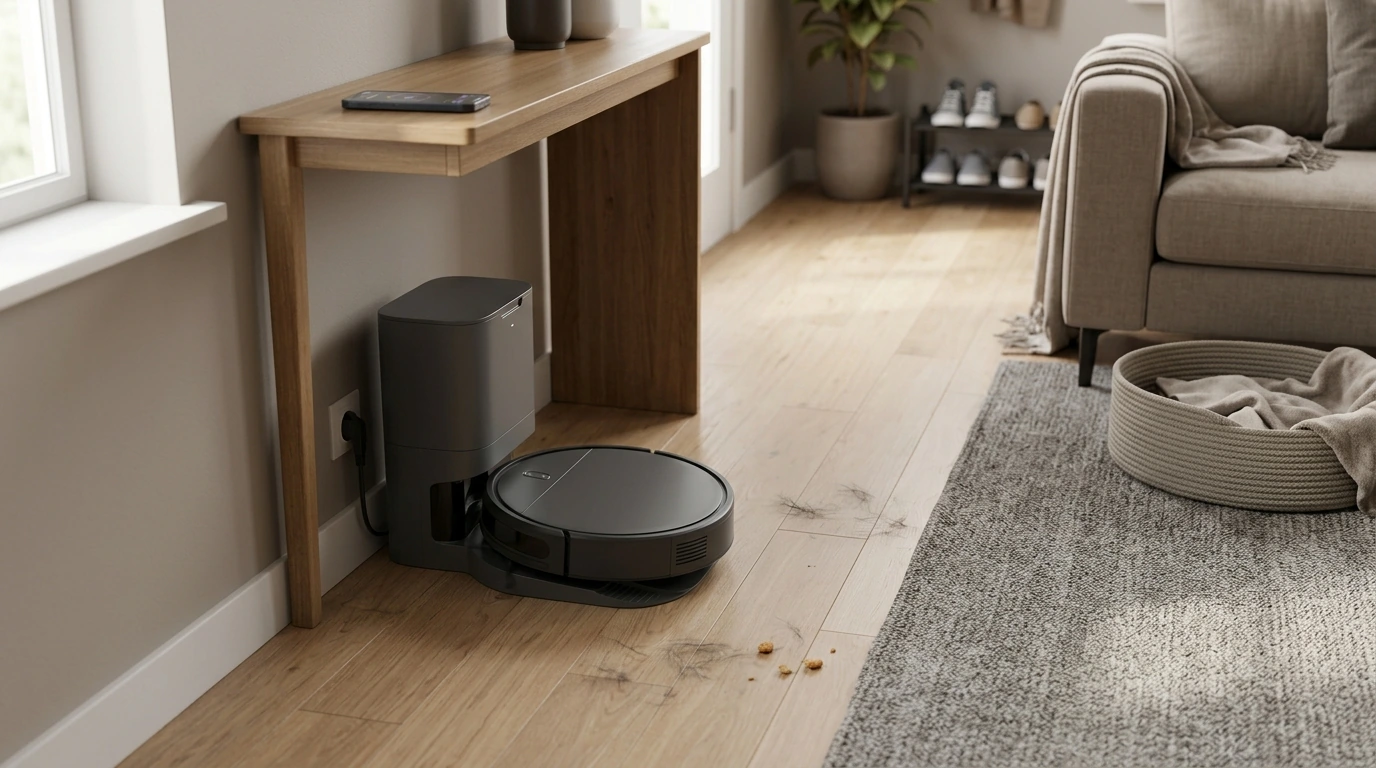
Self-Emptying Robot Vacuum Cleaner with 3000Pa Suction and App Control: What It Does Well and How to Use It
A self-emptying robot vacuum is designed for hands-off daily cleaning—especially helpful in busy homes, pet households, and high-traffic areas. With 3000Pa suction and app control, this model focuses on stronger pickup and easier scheduling while reducing how often the dust bin needs attention. If the goal is floors that stay consistently “guest-ready” without pulling out a full-size vacuum every day, a self-emptying setup is one of the most practical upgrades you can make.
Quick Overview: What Makes a Self-Emptying Robot Different
The biggest difference is what happens after the robot finishes a run. Instead of needing to empty a small onboard dust bin every time (or every other time), a self-emptying base transfers collected debris into a larger container automatically. That means fewer interruptions and less day-to-day handling of dust and hair.
- Self-emptying base: Automatically moves debris from the robot into a larger container to reduce frequent bin dumping.
- 3000Pa suction: A stronger pull for dust, crumbs, and pet hair on hard floors and low-to-medium pile rugs.
- App control: Schedule cleanings, start/stop, and switch modes from your phone—ideal for maintaining a steady routine.
- Simple prep helps: Quick cord pickup and small clutter removal can prevent tangles and improve coverage.
If you’re shopping for a model that checks these boxes, consider the Self-Emptying Robot Vacuum Cleaner with 3000Pa Suction and App Control.
Performance Highlights: 3000Pa Suction in Real Rooms
In everyday spaces—kitchens, hallways, living rooms—3000Pa suction can make a noticeable difference in how well a robot pulls debris from seams between floorboards, along edges, and from low-to-medium rugs. It’s especially useful for daily accumulation: tracked-in grit at the entry, crumbs under a table, and that fine dust that seems to reappear overnight.
- Better edge-and-seam pickup: Strong suction helps pull fine dust from hard-floor cracks and transitions.
- Built for common messes: Entryway grit, kitchen crumbs, pet hair tumbleweeds, and routine dust.
- Carpets may need strategy: For thicker carpets, multiple passes and higher power (when available) typically improve results.
- Frequency beats “one big clean”: Running regularly often outperforms running once a week at max power.
Typical messes and setup tips
| Mess type | Where it shows up | Suggested routine | Simple prep |
|---|---|---|---|
| Pet hair | Sofas nearby, hallways, under beds | Daily or every other day | Pick up cords; clear small toys |
| Crumbs & dry food | Kitchen, dining area | After meals or nightly schedule | Shake mats; move lightweight chairs |
| Fine dust | Bedrooms, baseboards | 3–5 times per week | Keep doors open; lift floor-length curtains slightly |
| Entryway grit | Front door area | Daily quick run | Use a doormat; avoid wet debris |
For households sensitive to dust and allergens, staying consistent matters. General indoor air quality guidance from the U.S. EPA and allergen/irritant resources from the CDC both emphasize reducing dust buildup—something daily floor maintenance can support.
How App Control Improves Day-to-Day Cleaning
App control is less about “tech for tech’s sake” and more about making cleaning fit around real life. A schedule keeps floors from slipping into chaos, and on-demand runs help when someone walks in with sandy shoes or a pet kicks litter out of the box.
- Scheduling: Set runs during low-activity windows, like work hours or after bedtime.
- On-demand cleaning: Start a quick cleanup without hauling out a corded vacuum.
- Mode changes: Use quieter settings for bedrooms and stronger runs where rugs collect hair.
- Status updates: Alerts and reminders help you stay ahead of maintenance (full bin/bag, brush cleaning).
For a broader perspective on what to compare across models—navigation, maintenance, and floor type performance—see the Consumer Reports robot vacuum buying guide.
Self-Emptying Base: Convenience, Noise, and What to Expect
The self-emptying moment is the tradeoff: it’s usually louder than the normal cleaning run, but it’s brief and happens far less often than manual emptying. In many homes, that “whoosh” is worth it for the time saved and the reduced dust contact.
Pet households often pair routine cleaning with small practical upgrades. If you’re frequently dealing with shedding season walks and muddy-day gear, a simple add-on like the Cozy Fleece Hooded Pet Jacket for Small Dogs & Cats can help reduce what gets tracked indoors in the first place.
Setup Guide: Getting a Better First Week of Results
In rooms where you want a clean look without the upkeep of real leaves dropping onto the floor, decor choices matter too. An Artificial Fiddle Leaf Fig Tree keeps the style without contributing extra debris to daily cleaning.
Maintenance Checklist for Reliable Cleaning
Who This Model Fits Best
FAQ
How often does a self-emptying base need to be emptied or replaced?
It depends on home size, shedding pets, and how often the robot runs. Many households go days to weeks between servicing the base, but it’s smart to check weekly at first until you learn your home’s cadence. Full-bin alerts and reduced emptying airflow are common signs it’s time.
Is 3000Pa suction enough for pet hair on rugs?
3000Pa is strong for daily pickup on low-to-medium pile rugs, especially when you run it frequently. If your home sheds heavily, scheduling more runs and keeping the brush free of hair wrap helps maintain performance. For thicker carpets, extra passes typically improve results.
What should be done if the robot stops docking or emptying properly?
Start by giving the base a clear approach path and ensuring it’s on a hard, level surface. Clean the charging contacts and sensors, then check for a clog in the emptying channel and confirm the dust bin is seated correctly. Keeping the docking area free of obstacles often resolves repeat issues.







Leave a comment