Hand-Knotted vs Hand-Tufted Rugs: Which Should You Buy?
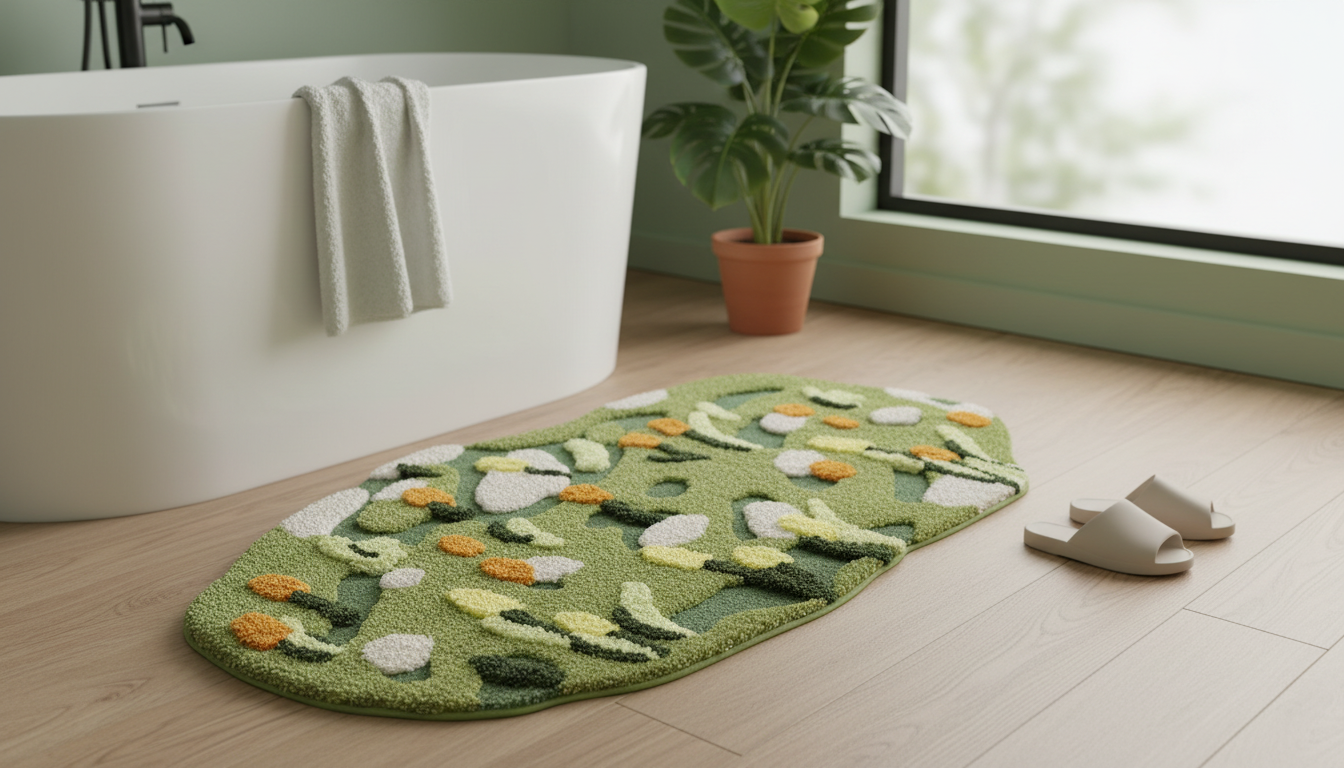
Which is better, hand knotted or hand-tufted?
Neither is universally “better”—it depends on what matters most: longevity, budget, feel underfoot, and where the rug will live. In most cases, hand-knotted rugs win on durability and long-term value, while hand-tufted rugs win on affordability and faster access to stylish designs.
Why hand-knotted rugs are often the premium choice
Hand-knotted rugs are made by tying individual knots onto the rug’s foundation. That slow, skill-heavy process creates a dense, stable structure that typically wears better in high-traffic areas. Because the design is built knot by knot (rather than adhered to a backing), hand-knotted rugs tend to hold their shape, shed less over time, and age more gracefully. They’re also more likely to be repairable if something happens years down the road.
When hand-tufted rugs make more sense
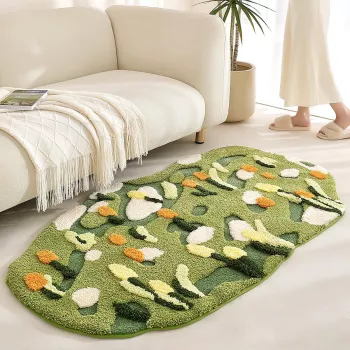
Hand-tufted rugs are made by punching yarn through a backing and securing it with adhesive (often finished with a secondary cloth backing). The result can be plush and comfortable, with bold patterns and colors at a lower price point. For bedrooms, low-to-moderate traffic living rooms, or style-forward spaces where you may redecorate more often, a hand-tufted rug can be a practical pick—especially when you want softness and impact without the investment of hand-knotting.
Quick decision guide
If you want the longest lifespan, a rug that can handle heavy use, and a piece that feels like a long-term purchase, choose hand-knotted. If you’re prioritizing budget, want a thick cushy feel, or need a trendy look for a shorter design cycle, choose hand-tufted.
For a deeper side-by-side breakdown of construction, durability, and value, visit the full guide here: https://happypickscorner.shop/which-is-better-hand-knotted-or-hand-tufted/.
FAQ
How can you tell if a rug is hand-knotted?
Check the back: hand-knotted rugs show a clear knot pattern and the design is visible (though slightly less crisp than the front), without a glued fabric backing. They also tend to feel more flexible and substantial, especially at the edges and fringe.








Leave a comment