Breathable Air Bike Saddle Cover for Cooler, Smoother Rides
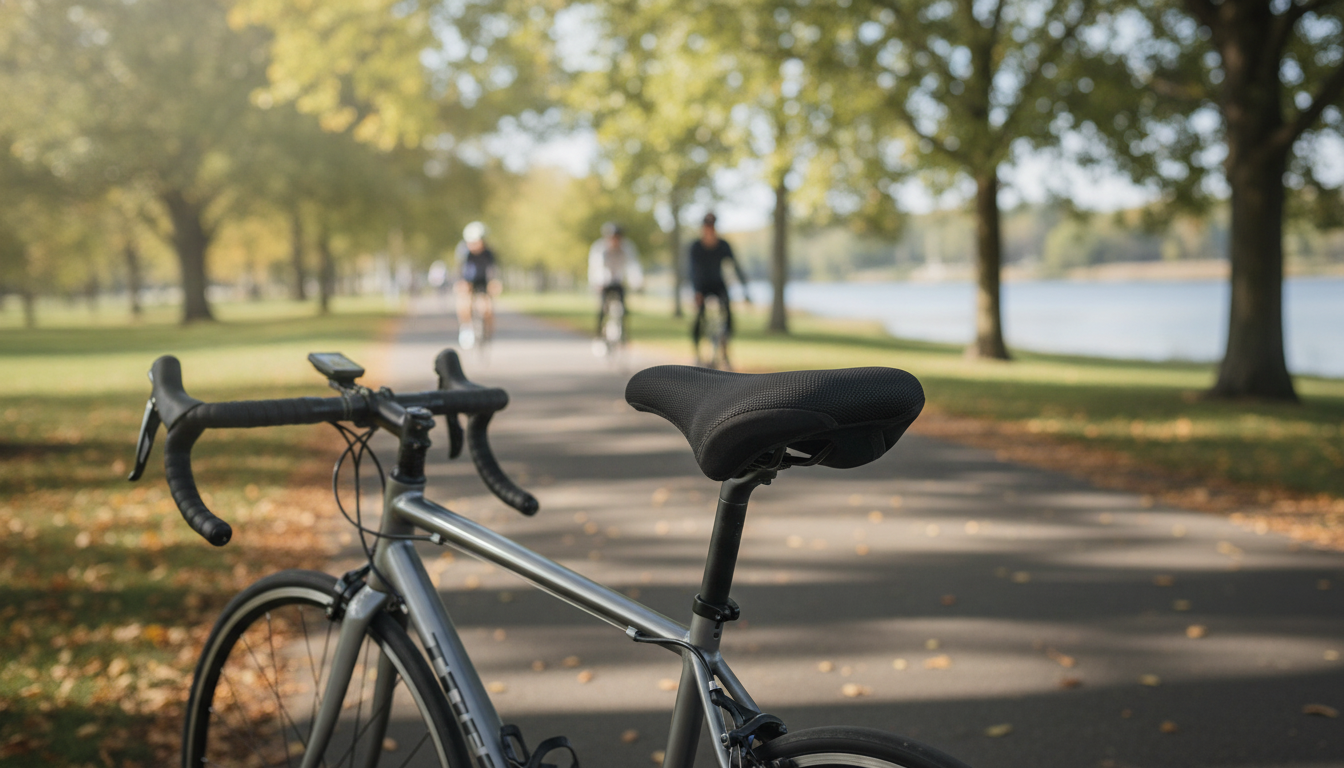
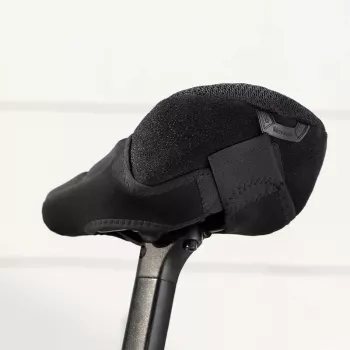
Breathable Shock-Absorbing Air Bike Saddle Cover for Comfortable Cycling
Long rides and daily commutes can quickly turn uncomfortable when road vibration, pressure points, and heat build-up hit the saddle. A breathable, shock-absorbing air saddle cover adds cushioning where it matters, reduces chatter from rough surfaces, and helps keep airflow moving so you stay cooler and more focused on the ride. For more guidance, see Guide to saddle comfort for women.
If you’re looking for a practical comfort upgrade without swapping your entire seat, the Breathable Shock-Absorbing Air Bike Saddle Cover for Comfortable Cycling is a simple add-on that can make everyday miles feel noticeably smoother. For further reading, see Great Divide Tested.
What Makes an Air Saddle Cover Feel Different
Air-cushion saddle covers stand out because they don’t just “pad” the seat—they change how pressure and vibration are handled across the contact area.
- Air-cushion structure spreads pressure: Instead of concentrating your weight on a few hotspots, air cells help distribute load across a wider area, which can feel more even during steady pedaling.
- Shock absorption quiets micro-vibrations: Pavement seams, gravel, and small potholes create constant buzz. Air cushioning dampens that chatter so the ride feels less harsh.
- Breathable surface supports airflow: Vent channels and breathable materials can reduce the “sealed-in” feeling that some solid covers create.
- Comfort without a full saddle swap: If you’re still dialing in your setup, a cover is a lower-commitment way to test whether more cushioning helps.
Comfort Benefits That Matter on Real Rides
Comfort isn’t just about softness—it’s about staying stable and supported for the length of your ride.
- Less saddle soreness on longer sessions: A buffer layer helps reduce the “sharp” feeling that builds when pressure stays in one area for too long.
- More forgiving on upright bikes: City bikes and fitness hybrids often place more direct weight on the saddle, so bumps can feel more pronounced without extra damping.
- More consistent pedaling: When discomfort drops, there’s less need to constantly shift around to find relief, which can help you keep a smoother rhythm.
- Great for returning riders: If you’re new to cycling, coming back after time off, or increasing weekly mileage, a comfort upgrade can make the transition easier.
For injury prevention and overall riding comfort, basic setup matters too. Harvard Health notes that bike fit and positioning play a key role in avoiding common cycling aches (Harvard Health Publishing — Bicycling: Preventing injuries).
Breathability and Sweat Control
Heat and moisture are a common cause of discomfort, especially on warm commutes or indoor trainer rides. A ventilated air cover aims to keep things cooler where it counts.
- Less trapped heat than solid foam: Ventilated designs promote airflow so warmth doesn’t linger as much during steady efforts.
- Moisture management helps reduce chafing risk: When sweat stays pooled, friction tends to rise. Better airflow can help keep the contact area drier.
- Works with cycling shorts or casual clothes: You’ll still get the best long-ride comfort with padded shorts, but a breathable cover can improve commutes in everyday clothing too.
- Simple habits help: Wipe the surface clean and let it dry between rides to reduce odor and keep the material performing well.
Fit and Compatibility (Before Buying)
The best saddle cover is the one that fits securely. A great cushion can still feel “wrong” if it shifts or bunches up.
- Measure your saddle: Check overall length and the widest point, then match to the cover size (narrow road, mid fitness, or wide commuter/comfort).
- Confirm the saddle shape: Saddles with a strong rear flare or deep center channel need a cover that can sit flat without wrinkling.
- Check the fastening method: Straps or drawstrings should grip firmly around the underside without interfering with rails or seatpost hardware.
- Outdoor storage considerations: If your bike lives outside, look for a cover you can remove quickly or protect from rain.
Quick Installation and Setup Tips
Air Cushion vs. Gel vs. Foam: What to Expect
| Type | Ride Feel | Heat & Breathability | Best For | Watch Out For |
|---|---|---|---|---|
| Air cushion | Bouncy, vibration-damping | Often cooler when ventilated | Rough roads, longer rides, mixed terrain | Needs secure fit to prevent shifting |
| Gel | Plush, pressure-relieving | Can run warmer | Short-to-medium comfort boost | May feel squirmy on high-cadence rides |
| Foam | Supportive, stable | Varies by cover design | Everyday commuting and general comfort | Can compress over time |
Making Any Saddle More Comfortable (Beyond the Cover)
Care, Cleaning, and Durability
When This Upgrade Is Most Worth It
Recommended Picks from Our Store
- Breathable Shock-Absorbing Air Bike Saddle Cover for Comfortable Cycling — a breathable, vibration-damping upgrade for daily commutes and longer rides.
- Women’s Buckle Strap Genuine Leather Sandals with Mid Heel — a polished option for post-ride plans or office days when you commute by bike and change shoes after.
FAQ
Will an air saddle cover fit any bike seat?
Fit depends on the saddle’s width, length, and shape, so it’s best to measure your seat and match it to the cover’s sizing guidance. Very narrow race saddles and extra-wide cruiser saddles may require a more specific size or shape for a secure fit.
Does extra cushioning make saddle soreness worse?
It can if the padding is overly soft or if saddle height/tilt is off, because too much “sink” may increase pressure on soft tissue. A balanced, supportive cushion plus a proper bike setup typically delivers the best comfort.
How do you keep a saddle cover from sliding?
Center the cover carefully, tighten straps evenly, and make sure the attachment points sit securely under the saddle (often around the rails). If it still slips, clean dust and grit off the saddle surface and re-tighten after a short test ride.









Leave a comment